FLASHES
Three a second, tops
A run of harmful flashes is not permitted when there are more than three in any one second and together they cover more than a quarter of the screen.
Check a clipWHAT THE GUIDANCE SAYS
Flashing images and strong striped patterns can trigger seizures in people with photosensitive epilepsy.
UK television follows Ofcom guidance that sets clear limits: how bright a flash is, how much of the screen it covers, and how many come in a second. Anyone making videos can use the same rules as a checklist.
≤ 3 harmful flashes per second, over large areas
THE SHORT ANSWER
The guidance was drawn up with leading medical opinion
to reduce the risk of exposure to harmful stimuli.
FLASHES
A run of harmful flashes is not permitted when there are more than three in any one second and together they cover more than a quarter of the screen.
Check a clipWHO IT PROTECTS
The Epilepsy Society says about 1 in 100 people has epilepsy and around 3% of them have photosensitive epilepsy, mostly first developing between 7 and 19.
See the numbersPATTERNS
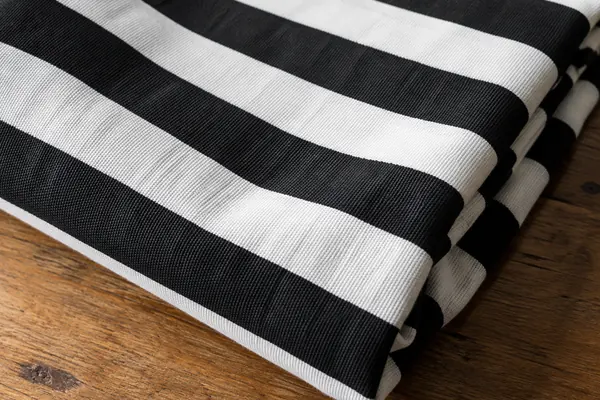
More than five light-dark pairs of stripes counts as a potentially harmful pattern, especially if it flashes, oscillates or reverses.
Patterns explainedA QUICK CLIP CHECK
Pick what your video contains to see how Ofcom's guidance treats it. The bar shows how strongly the guidance restricts it.
From Ofcom's Guidance Note on Flashing Images and Regular Patterns in Television (Annex 1 to the Section Two guidance notes).
TWO NUMBERS WORTH KNOWING
One figure on flash rates,
one on who is affected.
3–30 Hz
Common flash rates that trigger seizures
The Epilepsy Society says 3 to 30 flashes per second are the common triggering rates, though it varies; some people are sensitive up to 60, and under 3 is uncommon.
FLASH RATES · EPILEPSY SOCIETY
3–5%
People with epilepsy who have photosensitive epilepsy
Epilepsy Action says around 1 in 4,000 people overall has photosensitive epilepsy. Many develop it under 20, often around puberty.
WHO IS AFFECTED · EPILEPSY ACTION
Ofcom notes that a sequence of flashing images lasting more than 5 seconds might be a risk even when it complies with the guidance.
FOUR CHECKS FOR YOUR EDIT
A simple routine for video makers, based on the limits Ofcom sets for television.
Scrub through bright moments. More than three harmful flashes in a second over a quarter of the screen is over the line.
Make flashing areas smaller, or space flashes 9 frames or more apart, which the guidance treats as acceptable.
Keep bold stripes from filling the frame, and avoid sudden switches to or from saturated red.
Where flashing is editorially justified, Ofcom expects a verbal and, if appropriate, text warning at the start, not instead of following the guidance.
PATTERNS EXPLAINED

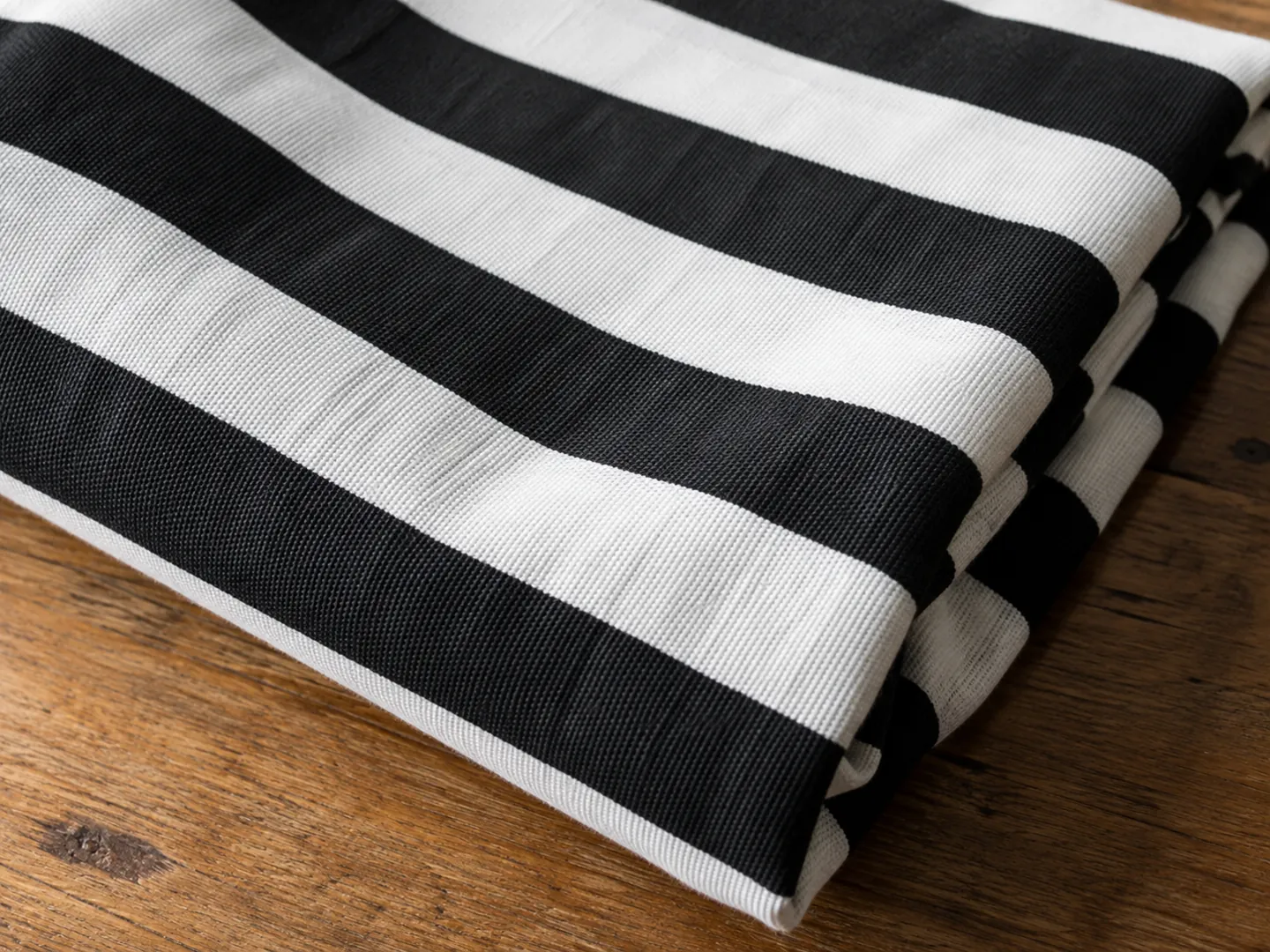
Ofcom's guidance treats clearly visible stripes as potentially harmful when there are more than five light-dark pairs, whether parallel or radial, straight or curved, or even rows of polka dots.
Stripes that change direction, oscillate, flash or reverse in contrast are more likely to be harmful than still ones. Patterns that flow smoothly across, into or out of the screen in one direction are exempt.
Questions
Ofcom's guidance says a sequence of potentially harmful flashes is not permitted when there are more than three in any one second and they cover more than a quarter of the screen.
A pair of opposing changes in brightness of 20 cd/m² or more, when the darker image is below 160 cd/m². A change to or from saturated red is potentially harmful whatever the brightness.
Ofcom says warnings should only be used in place of the guidance if editorially justified. TV broadcasters must take precautions to keep risk low.
People with photosensitive epilepsy, around 3 to 5% of people with epilepsy. Flashing effects can also make people without epilepsy feel disorientated or unwell.
The Epilepsy Society says modern TV and computer screens, phones and tablets do not flicker and are unlikely to be a trigger, but flashing images or patterns shown on them could be.
Sources
ABOUT THIS NAME
doodlevid.com is part of the DoodleSale portfolio. It isn't in an auction right now, but you can ask about leasing it.